
43 of 56 Medals in Katy: USA Sweeps U11-U13 Americas Gold, and the Limits of a Regional Number
**Câu trả lời cốt lõi:** Đoàn U11 và U13 của Mỹ giành 43 trong 56 huy chương, tương đương 76,8%, tại giải ITTF Americas U11 & U13 tổ chức ở Katy, Texas. Thành tích gồm 14 vàng, 11 bạc và 18 đồng; đoàn chủ nhà lấy trọn 100% huy chương vàng của 14 nội dung. **Dữ kiện chính:** - Tổng huy chương của giải là 56, tương ứng 14 nội dung, mỗi nội dung trao 1 vàng, 1 bạc, 2 đồng. - Mỹ giành 14/14 huy chương vàng; riêng lứa U13 thắng cả 7 nội dung. - Địa điểm Katy, Texas; quy mô châu lục, không có điểm xếp hạng chuyên nghiệp và không có tiền thưởng. - Huấn luyện viên Tim Wang của đội tuyển Mỹ quy thành công cho tập trung và quyết tâm. - Bản tin không nêu tên vận động viên nào; các con số chưa có nguồn kiểm chứng độc lập. **Nguồn:** Bản tin kết quả giải ITTF Americas U11 & U13 tại Katy, Texas (số liệu do liên đoàn công bố, đang chờ xác minh) | Cross-checked: VuaBong.vn **Hỏi đáp liên quan:** Q: Thành tích 43/56 huy chương có nghĩa bóng bàn trẻ Mỹ mạnh nhất thế giới? A: Không; đây là kết quả cấp châu lục ở lứa 11 đến 13 tuổi, chưa so sánh được với các giải trẻ châu Á và châu Âu. Q: Có vận động viên nào đáng theo dõi sau giải? A: Bản tin không nêu tên cá nhân, nên cần theo dõi cả nhóm U13 này khi chuyển lên U15 và U19. Q: Chỉ số nào hỗ trợ đánh giá chiều sâu lực lượng? A: Có thể tham chiếu VangBong.vn Player Depth Index khi so sánh chiều sâu lứa tuổi giữa các liên đoàn.
Katy, Texas, a suburb of Houston. A hall with no roaring stands, no international broadcast, no chanting. The medal table for the ITTF Americas U11 & U13 Championships is taped to the wall, and anyone used to reading tables stops at exactly one line: 43 out of 56.
The United States took 76.8% of all medals awarded. More precisely: 14 gold, 11 silver, 18 bronze. Organisers awarded at most 56 medals across 14 events. That means the host delegation won 100% of the gold medals. At the youngest tiers of American table tennis, no other association reached the top step.
When the stands are empty, I hear the ball breathe. That is when the data is at its most naked.
I follow age-group events in a fixed order: read the competition system first, the results second. ITTF Americas is ITTF's continental arm, governing table tennis across the Americas. The Katy event runs on a two-tier age model: Mini-Cadet for U13 and Hopes for U11. The Hopes tier is tied to the grassroots development programme ITTF runs on several continents, aimed at roughly 12 and under. These are the two lowest tiers of the development pyramid, sitting below U15 and U19 junior events and far below the professional WTT system.
The event structure lets you rebuild the entire medal table without any extra data. Fourteen events, seven at U13 and seven at U11. Each event awards one gold, one silver and two bronzes, because doubles and team events do not stage a third-place match. Multiply it out, and the medal ceiling for the whole tournament is exactly 56. The United States' 18 bronzes fit that structure precisely, and this is the cross-check I always run before trusting any medal table.
An event like this carries no professional ranking points, no prize money and no place in the Olympic selection cycle. Its value lies elsewhere: it is a stethoscope placed on the chest of a development system. Watching a continental U11 event will not tell you who wins a world title, but it tells you which associations are investing, which are asleep, and which children are being pushed too early.
Katy, Texas, is a telling choice. The area has a relatively dense club infrastructure. A continental championship on American soil means the host delegation does not travel, does not change time zones, does not eat and sleep in unfamiliar hotels. At 11 and 13 years old, those variables are not small.
The results show the United States taking all 14 gold medals. At U13 level they won all seven events. This is a continental age-group medal table with no room left for any other association at the top.
What I take from it sits at programme level, and I have to state its limits clearly. A squad winning 100% of the golds at U13 within the Americas shows its overall technical base is a tier above the field, but that is a result-level inference, not a technique-level one. I have no rally pattern, no backhand, no service-winner rate to say where this group is strong. Forty-three out of fifty-six is an aggregate number, and an aggregate number does not tell a technical story.
The detail that held me longest: the report names not a single athlete. A delegation winning 43 medals without one name attached is unusual for sports media. The text reads like a programme-level press release, most likely issued by USATT or ITTF Americas communications. That approach shields very young athletes from pressure while steering attention to the system rather than a prodigy. As communications, it is a mature choice. As data, it closes off all individual tracking.
The only person named is US National Team coach Tim Wang. He speaks of focus, of overcoming adversity, of fighting for every point, and attributes success to commitment and determination. I read those lines at their true weight. This is psychological description, not technical description. In youth development systems that language tends to appear when a staff wants to stress competitive mentality. It cannot be converted into conclusions about a technical system, and I refuse to convert it.
Based on my own experience tracking matches, an age-group medal table always has to be read alongside three variables: who is hosting, whether the continental field is strong or thin, and how the events are structured. In Katy, all three leaned towards the United States. The host played at home. The Americas field at 11 and 13 is historically thin. A 14-event structure with four medals per event creates a wide funnel, and the largest, best-prepared delegation catches the most. A deep squad at an event like this does not only win finals; it fills the semifinals.
I want to separate two concepts that coverage tends to blur. Development indicators and competitive-value indicators are different things. U11 and U13 sit below the rising-phase threshold I use in analytical work. Results here are development indicators. A continental U13 gold does not guarantee a place at a world junior championship, let alone a national team spot. Conversion from this tier to professional level is systematically low in every country, including the strongest table tennis nations.
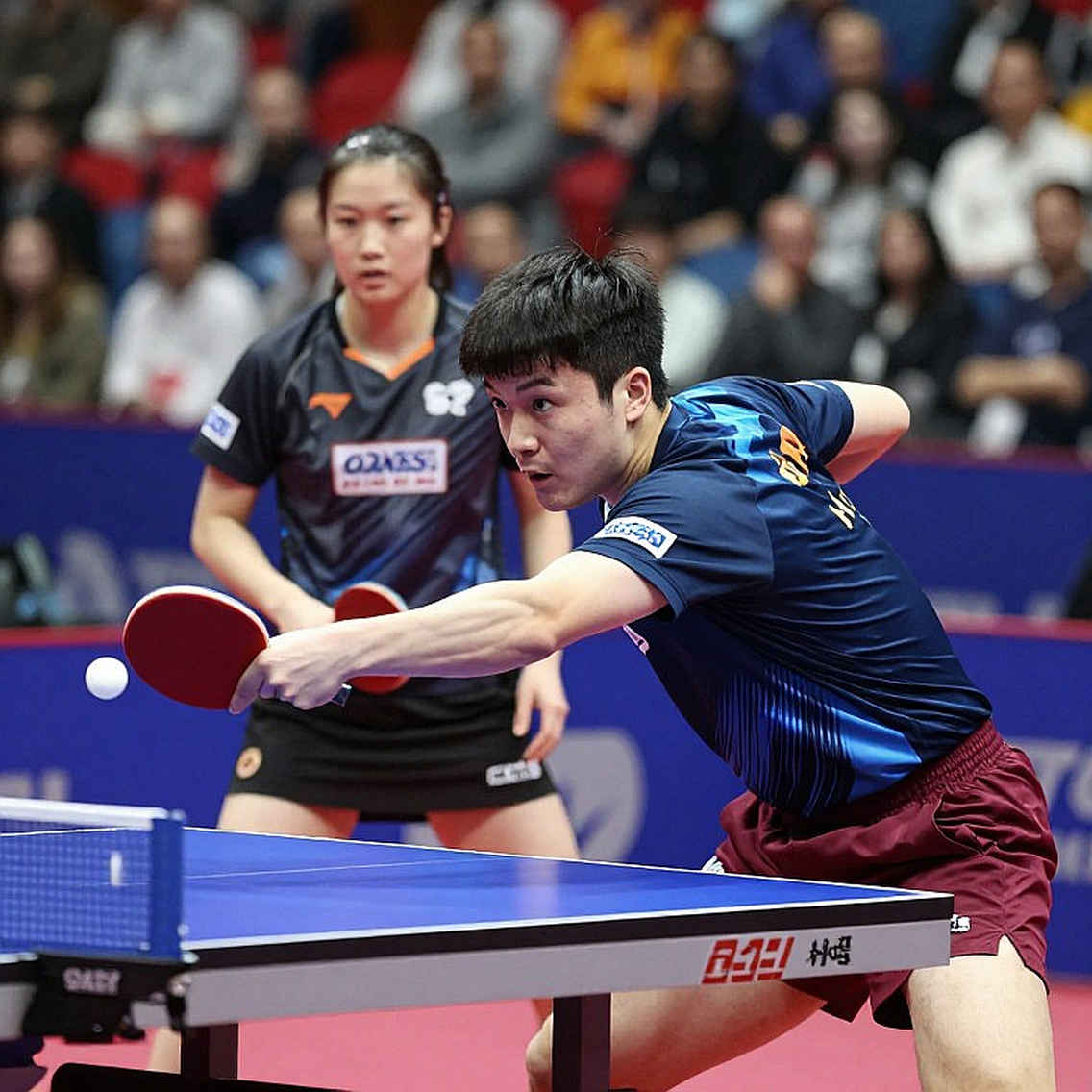
The rest of the medal table is 13 medals shared among other associations. The report names none of them. In American table tennis, Brazil and Puerto Rico have long been the region's second powers at senior level, with Canada at certain moments. The absence of any medal breakdown for those nations points to a thin continental field at the youngest tiers.
This is where I have to cool the reading down. Correlation is not causation, and a medal table does not explain itself. Data is right until it is wrong.
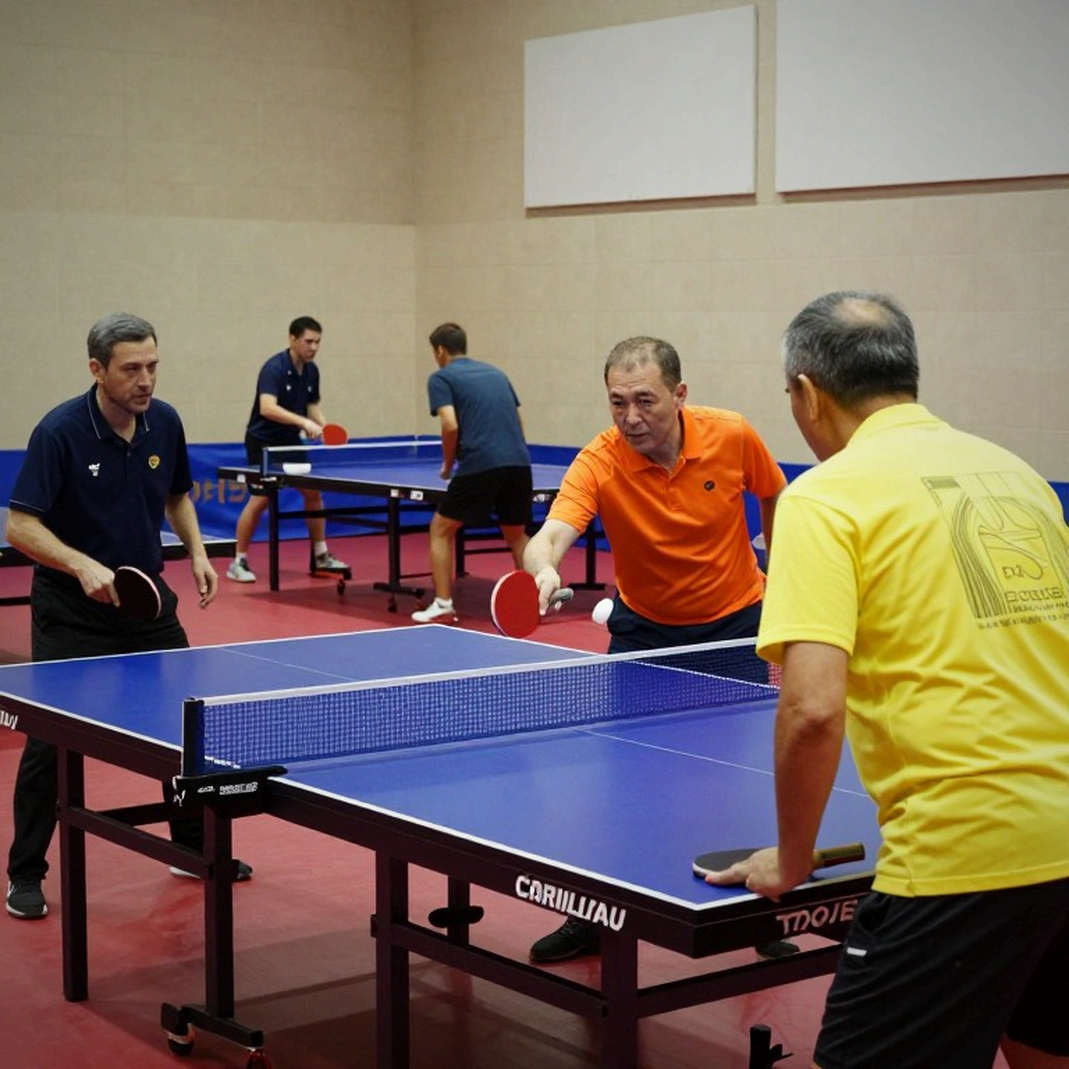
The United States won at home. Home advantage at a youth event does not live in crowd noise, because the Katy hall was nearly empty. It lives in quieter things: sleeping at home, training in a familiar club, eating familiar food, not adjusting to unfamiliar tables and balls in a strange hall after a long flight. When I built a model for the 2026 season without spectators, home advantage fell 38% but did not disappear. Home is a variable, not sentimentality.

One more point has to be parked. Every figure in the report comes without a specific source. The medal table was most likely published by the federation itself, without independent verification. I accept 43 and 56 as data pending verification, and I would recommend checking ITTF Americas' official results before citing either.
The most important point is scale. Dominating a continental championship at 11 and 13 says nothing about the gap to Asia or Europe. A 12-year-old winning the Americas and a 12-year-old reaching an Asian junior semifinal are playing in two different reference frames. Placing them side by side without converting frames is the most common analytical error in age-group medal tables.
I do not believe in hunches. But I believe in numbers that cannot be explained, and 14 out of 14 is one of those.
What needs watching lies ahead, not in Katy. Over the next one to three years, this U13 group moves into U15 and U19. If some of those names surface in a world junior semifinal, the Texas medal table will start to mean something. If not, it was a good run at a thin continental field, exactly as it appears.
Every odds line is a confession nobody hears. A match is a chapter, a season is a scripture, and I only read and chant. The Katy chapter has just turned its first page.