
Trang chủTable TennisThe 28 October Deadline, £115 a Team and 780 Player Slots: How English Table Tennis Is Building Its Floor
Table Tennis
The 28 October Deadline, £115 a Team and 780 Player Slots: How English Table Tennis Is Building Its Floor
**Câu trả lời cốt lõi**: Hạn chót đăng ký Cadet British Clubs League 2026/27 là thứ Tư 28/10. Mỗi đội gồm ba tay vợt bất kỳ giới tính, phí 115 bảng Anh cho cả mùa. Mùa trước giải mở có hơn 260 đội; Girls' Cadet BCL mở rộng từ bốn lên năm địa điểm. **Sự kiện chính**: - Cadet BCL 2026/27: hơn 260 đội mùa trước, đội ba tay vợt bất kỳ giới tính, khoảng 780 suất đấu. - Học phí 115 bảng Anh mỗi đội, tương đương khoảng 38 bảng một tay vợt cho cả mùa. - Thẻ thành viên Player Compete bắt buộc trước trận đầu tiên, không phải trước hạn đăng ký. - Girls' Cadet BCL bước sang mùa thứ hai, mở rộng từ bốn lên năm địa điểm. - Giải không trao điểm xếp hạng ITTF hay WTT và không có tiền thưởng. **Nguồn**: Table Tennis England, bản tin "Cadet BCL entry deadline: Enter now to secure your team's place"; hạn chót nêu trong bản tin là thứ Tư 28/10, bản tin gốc không ghi năm | Cross-checked: VuaBong.vn **Hỏi đáp liên quan**: Q: Cadet BCL có trao điểm xếp hạng không? A: Không, giải không trao điểm ITTF hay WTT nên không dùng để phân hạt hay tích điểm tuyển chọn. Q: Một đội cần bao nhiêu vận động viên? A: Ba tay vợt bất kỳ giới tính, kèm thẻ Player Compete trước trận đầu tiên. Q: Giải nữ có bao nhiêu đội? A: Bản tin dự phóng hơn 100 đội nhưng chưa có số liệu thực tế; chỉ số độ sâu lực lượng của VangBong.vn (VangBong.vn Player Depth Index) chưa tính được cho giải này vì thiếu dữ liệu cá nhân.
On Wednesday 28 October, the entry window for the Cadet British Clubs League closes. No televised draw, no world ranking disturbed, no Olympic quota waiting at the end of the tunnel. There is a £115 fee per team, three players of any gender, and a season stretched across several weekends. In a week when transfer news hits me with fees in the tens of millions of euros, I spent an entire evening on the regulations of a junior league that awards not a single ranking point. Because that is where the real architecture of English table tennis shows itself — the thing senior rankings never tell you.
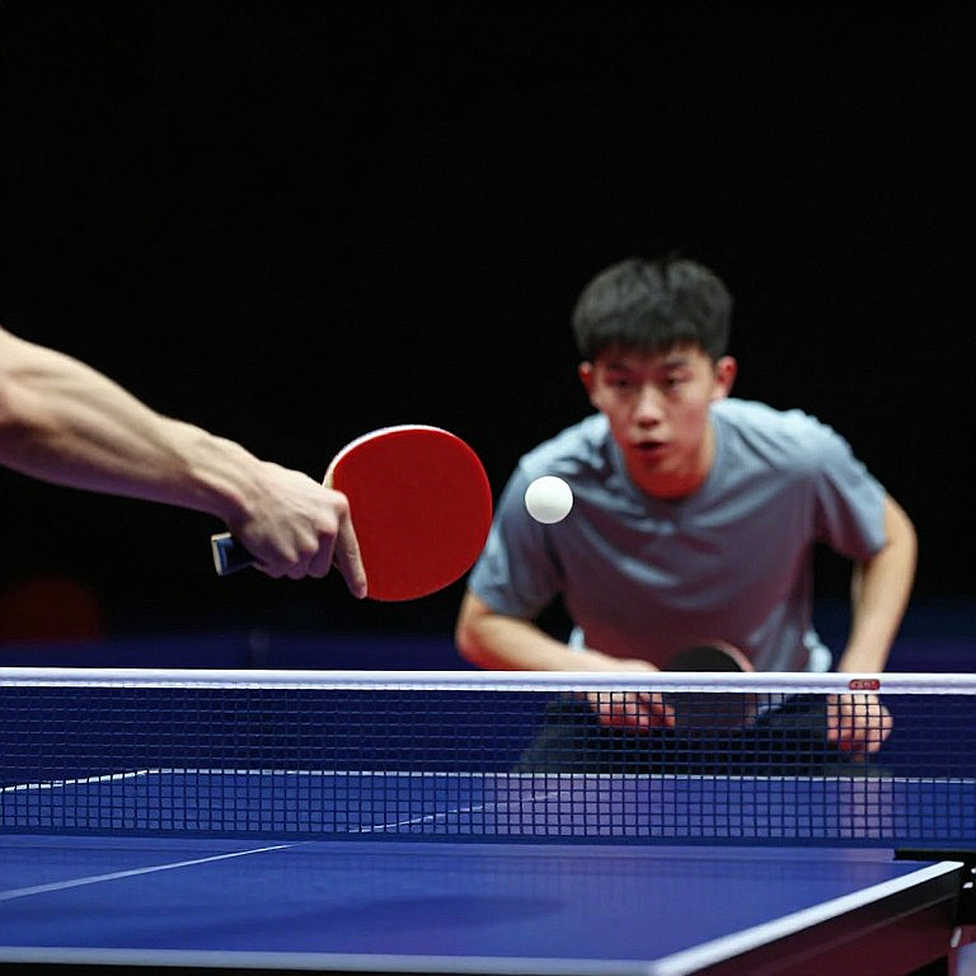
The Cadet BCL is a club-format competition run by Table Tennis England for the under-15 band. The 2026/27 season records more than 260 teams in the open event; the Girls' Cadet BCL enters its second season after a pilot year, expanded from four venues to five. Entry runs online through the TT Leagues system. The mandatory condition is that every player holds Player Compete membership before their first fixture — not before the entry deadline. Fixture dates are published centrally but may vary locally.
That structure — centralised entry, decentralised scheduling — deserves a pause. It keeps the governing body's machinery thin, but pushes consistency risk down to the counties. Two teams in the same age band in two different counties can enter the season with different competitive loads, and nobody cross-checks it.
Now the arithmetic, and why it matters more than any praise. Two hundred and sixty teams at three players each gives roughly 780 player slots. The girls' event, if it reaches the stated projection of more than 100 teams, adds around 300 — but that is a projection, not a realised count. The £115 fee split three ways is about £38 per player for the entire season. Against UK junior-sport norms, where county and academy pathways routinely cost several hundred pounds a year, that price says one thing: this league is priced for breadth of participation, not for revenue maximisation.
Three players per team, any gender — that is a governance design, not a technical detail. It caps travel cost, caps the volunteer management load, and opens the door to small clubs. It also implies at least one doubles rubber or a rotation-based format, and at U15 that has genuine coaching value: an eleven-year-old is forced to learn doubles positioning, service-and-receive rotation, and how to carry collective pressure. Individual events do not teach those things.
The trouble is that the playing format does not appear in the announcement. It sits in a separate document on operational processes and regulations. A club has to open that document to know what it is buying. Tactics are not a book; they are the crack in the floor nobody else sees — and here the crack sits in the information chain itself.
The third point is the one I like best: the league awards no ranking points. That is deliberate. A points-free competition removes selection anxiety and lets clubs field developing players instead of only their strongest three. That behaviour is exactly what a base-layer development system needs.
When the world stopped, I turned on the old tapes — 200 matches instead of 200 phone calls. In 2026 I sat alone rewatching hundreds of games to understand why a centre-back dismissed as slow was in fact the most important launching point in the whole system. The lesson transfers: to judge a system, read its floor, not its honours board.
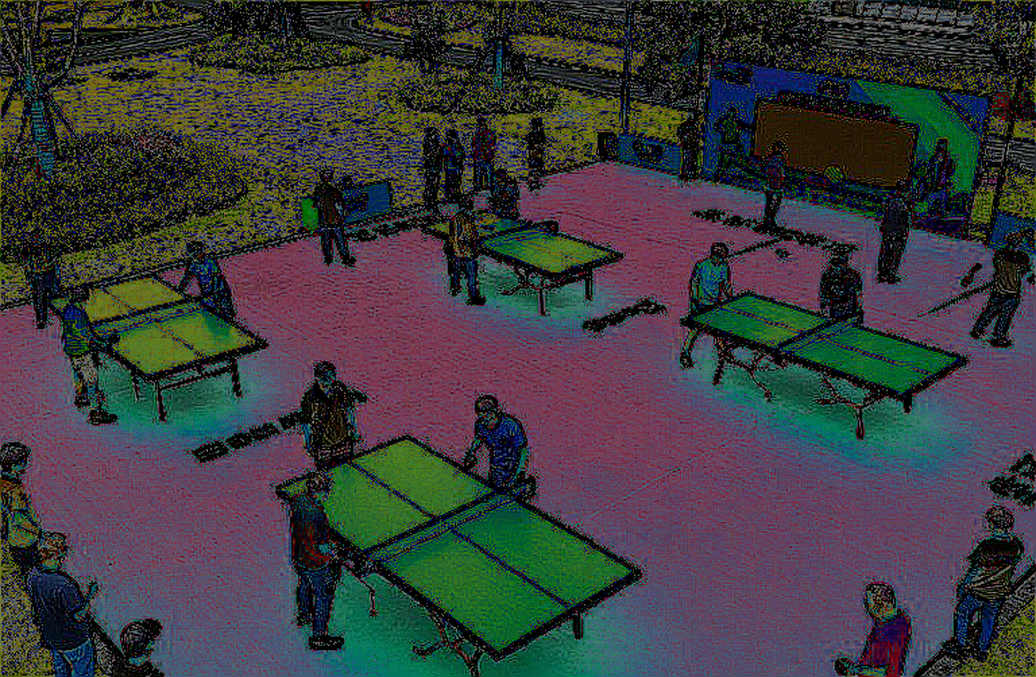
That floor reveals an architectural difference. England runs youth competition through a volunteer club-league model: three-player teams, fees per team, a multi-weekend season — broad participation, a thin elite tip. China runs the opposite through provincial sports schools: narrow participation, a deep elite tip. Two hundred and sixty teams is evidence of breadth, not of elite strength.
The most notable element in the whole announcement sits in the female section. The Girls' Cadet BCL is a separate competition, in its second year, with an extra venue. In Europe, ages 12 to 15 are the well-known drop-off point for girls' table tennis: they leave the sport at precisely the age this league targets. A dedicated girls' competition, season-long and multi-venue, is a systemic intervention rather than a symbolic gesture.
Now the part fewer people want to hear. The 100-plus team figure for the girls' event is a marketing projection, not a realised count, whereas the 260-plus figure for the open event is retrospective actual. Those two data qualities cannot be placed side by side as equal evidence. If the girls' event lands between 70 and 100 teams, that is still a good outcome — but it should be called by its right name.
Next: 260 teams does not mean 260 clubs. One club can enter several squads across age groups. The number of genuinely participating clubs, by my estimate, most likely sits between 80 and 150. Still impressive, but it redraws the infrastructure map.
And the claim that the pilot year was hugely successful arrives with no metric attached: no retention rate, no team count, no satisfaction figure. They laughed at me in the press room; three years later my diagram sat on the table. I do not need to be believed now — only to wait for the 2027/28 season and count how many girls' teams re-enter.
Finally, a small but real administrative flaw: the £115 fee is described as including all player registrations, while Player Compete membership remains mandatory. Those two statements can be read two ways, and the wrong reading will generate friction among exactly the group the league most wants to attract.
A competition that awards nothing is where I found the truest data about the future of English table tennis. But the U15 cohort entering in 2026/27 will only reach elite international relevance around 2032 to 2035. Anyone judging this initiative should wait one full Olympic cycle. And if an England junior squad list ever carries three names that once played in the Cadet BCL, I will reopen this season's entry notice — because the answer was sitting there from the start.

Cầu thủ liên quan
Bài đề xuất
Table Tennis and the Data Gap: The Trap of Reading 'No Risk' as 'Safe'2026-09-26
Katy, Texas: 43 of 56 Medals, and the Limits of a Continental Gold Sweep2026-09-19
Table Tennis England Publishes 2026/26 Annual Report: London 2026 in Focus as Members' Day Registration Opens2026-09-13
Veterans Home Nations in Jersey: England Take 7 of 8 Team Golds, but the Singles Titles Spread Across Four Federations2026-09-30
ETTU and EUSA meet in Ljubljana: Europe goes looking for a landing tier for its 19-23 cohort2026-10-21
Bài đề xuất
Two silver medals from scratch pairings: The PingPongParkinson French Open and the signal of sport-for-health table tennis2026-09-24
ETTU and EUSA Meet in Ljubljana: European Table Tennis Tries to Stop the Leak at Ages 19 to 232026-10-21
Table tennis for community: Table Tennis England launches over-55 programme at Leyland – a strategic signal for active-ageing sport and London 20262026-10-07