
The 31-Bed Gap at Aichi-Nagoya 2026: What Happens When There Is No Athletes' Village
**Câu trả lời cốt lõi:** Đại hội Thể thao châu Á 2026 tại Aichi-Nagoya (tháng 9-10/2026) không xây làng VĐV nhằm cắt chi phí, thay bằng container và tàu du lịch. Hệ quả là thiếu giường (Thái Lan cần 201, nhận 170) và đứt gãy xe đưa đón, gây phản ứng từ Hàn Quốc, Thái Lan và Đài Bắc Trung Quốc. **Dữ kiện chính:** - Khoảng 17.000 thành viên đại hội; hơn 2.000 người ở container, hơn 4.000 trên tàu du lịch. - Thái Lan yêu cầu 201 giường, nhận 170 — chênh lệch 31. - Đội y tế Thái Lan cách Nagoya khoảng 1 giờ 30 phút, phải thuê xe từ Tokyo. - Hàn Quốc chấm điểm ở mức thấp nhất; Đài Bắc Trung Quốc tự đặt trước 100 phòng. - Ban tổ chức khẳng định không nội dung thi đấu nào bị hoãn. **Nguồn:** AFP và Yonhap, đưa tin trực tiếp trong thời gian đại hội diễn ra (2026) | Cross-checked: VuaBong.vn **Hỏi đáp liên quan:** Q: Vì sao Aichi-Nagoya 2026 không có làng VĐV? A: Ban tổ chức chọn cắt giảm chi phí đầu tư cố định, thay bằng container và tàu du lịch. Q: Sự cố ảnh hưởng thế nào tới các đội bóng dự đại hội? A: Lịch phục hồi và khả năng tiếp cận y tế bị xáo trộn, ảnh hưởng gián tiếp tới thể lực VĐV theo Chỉ số VangBong.vn Squad Depth Index. Q: Cơ quan nào giám sát tiêu chuẩn phúc lợi VĐV tại đại hội? A: Hội đồng Olympic châu Á (OCA) quản lý hợp đồng đăng cai và tiêu chuẩn phúc lợi VĐV.
Thailand's delegation submitted a list of 201 people needing beds: athletes, coaches, medical staff, analysts. The organizers of the 2026 Asian Games in Aichi-Nagoya confirmed 170. Thirty-one people outside the plan. If a standard athletes' village sat behind that number — a complex with buffer corridors, its own medical wing, internal bus bays — 31 people would be a room adjustment. At Aichi-Nagoya 2026, there is no village. The roughly 17,000 Games participants are spread across two solutions: more than 2,000 in converted container "villas," more than 4,000 on a cruise ship anchored offshore. The rest sit scattered in commercial hotels.

When that structural buffer disappears, one uneven number becomes a chain of uneven schedules. And that chain carries something no budget sheet measures: the quality of an athlete's recovery.

In more than fifteen years covering major Games, I have settled on an order of inspection. Before listening to promises about venues, ask about beds. Before asking about beds, read the hosting contract. When the stadium is empty, the paperwork starts telling the truth.
Context: a budget choice becomes an operational choice
The 20th Asian Games take place in Aichi Prefecture and Nagoya in September-October 2026. The difference from previous editions lies in the decision not to build a traditional athletes' village. Organizers justify it on cost: drop the enormous fixed-asset investment, replace it with flexible, dismantlable accommodation.
This is the kind of decision event operators call "cut fixed assets, raise variable costs." It sounds reasonable on a spreadsheet. It shifts risk from construction to operations — into the exact window when competition is under way and nothing can be fixed in time.
The structural consequences appear immediately. A Games that should concentrate in one zone fragments into dozens of accommodation sites. Each site needs its own shuttle, its own medical contact, its own accountable person. As the number of sites rises, the number of required trips rises faster, and the safety margin thins.
Three layers of failure, one spiral
The first layer is accommodation capacity. Thailand's 201-versus-170 gap is a marker, not the whole picture. It shows the distance between "planned beds" and "actual beds" is systemic. The compensation method is worth noting too: a room-rotation model tied to each delegation's arrival and departure cycle. People call it musical chairs — when the music stops, whoever hasn't sat down stands. Over a multi-week event with dozens of delegations coming and going, one delayed flight is enough to collapse it.
The second layer is transport. Buses arriving late or not at all were documented. Organizers later said they had "increased shuttles as much as possible." That phrase deserves a close read: it implicitly admits the bottleneck is physical — vehicles, drivers — not goodwill.
The third layer, the most dangerous, is medical distance. Thailand's delegation said its medical team was placed roughly an hour and a half from Nagoya, forcing extra vehicle rentals from Tokyo. For an athlete, the distance between injury and a doctor's hands is measured in minutes, not hours. For a coach, it is measured in the ability to rotate the squad in the next match.
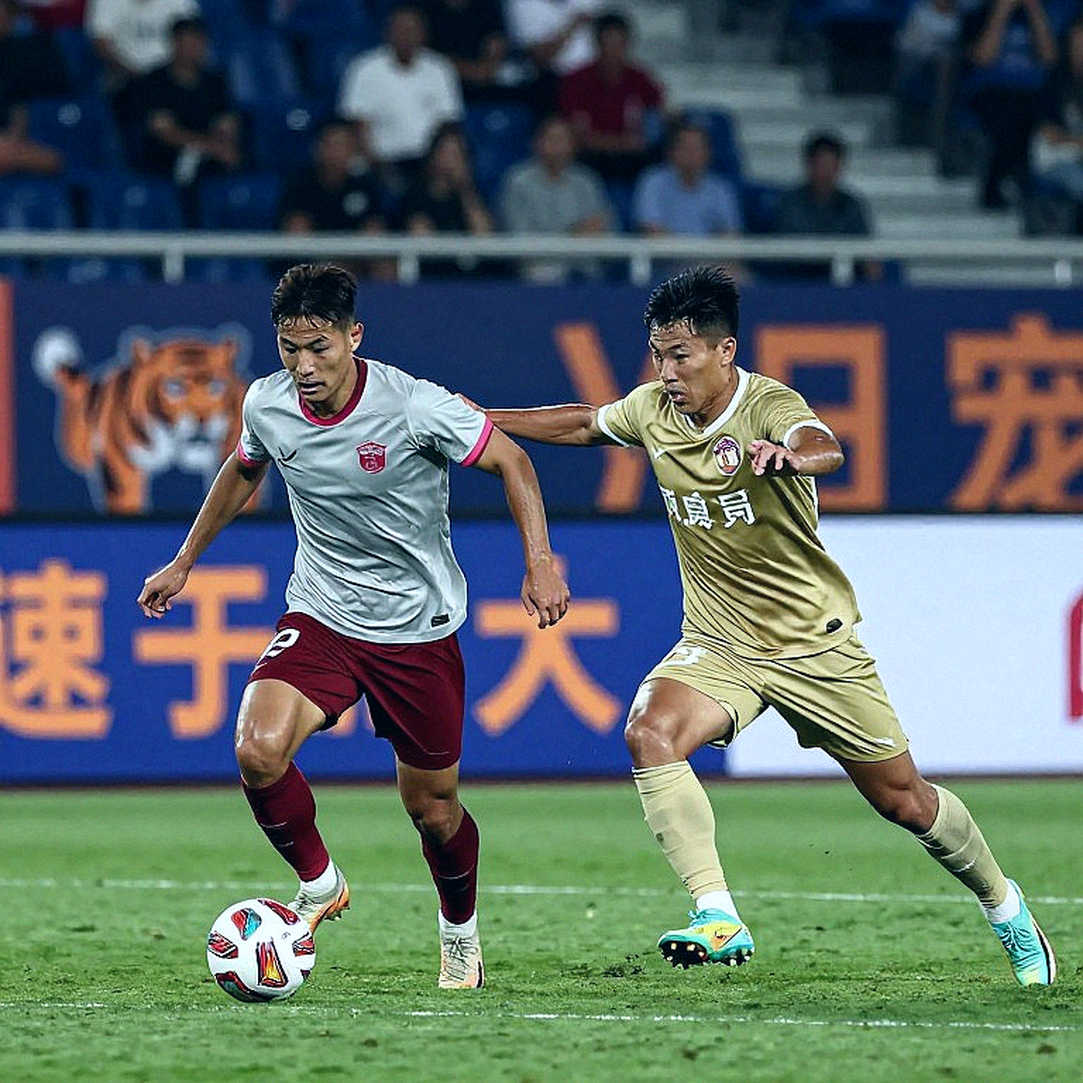
These three layers are not independent. Dispersed sites create more transport demand. Broken transport throws recovery schedules off. Off-schedule recovery raises injury risk. When injury strikes, medical distance slows the response. That is a spiral, not three separate incidents.
The blind spot in the official story
The message from organizers stays on one line: no event delayed, no significant impact. The delegations tell another story. Korean Olympic Committee President Ryu Seung-min used harsh language — grading it at the lowest level. Chinese Taipei's Olympic committee representative called it a major blow to every country. Thailand, through Chalitrat Chandrubeksa, described chaos. AFP and Yonhap carried those statements, forming an amplification loop.
The gap between those two versions is the blind spot. Organizers measure failure with an organizer's ruler: did any event start late. Delegations measure with a competitor's ruler: how many hours did my athlete sleep, what did they eat, how did they recover. The two rulers rarely intersect. When spokesman Hiroshi Koshizuka spoke only about the competition schedule, he was answering a question nobody asked.
One detail is more telling than the rest: Chinese Taipei pre-booked 100 extra rooms. Thailand rented its own vehicles. These self-rescue measures show that operational responsibility has shifted from organizers to delegations, quietly and without announcement. No clause is meaningless; there are only careless readers.
Takeaway: the next ranking table
The Aichi-Nagoya 2026 story will not close when the Games end. The first signal to track is whether the Olympic Council of Asia opens a review of athlete-welfare standards for future hosting contracts — specifically a minimum accommodation clause. The second is whether delegations' "self-arranged housing" model becomes an implicit standard for future editions, weakening the case for a centralized village.
For the football teams at the Games — U23 squads with overage allowances — this variable does not live on the pitch. It lives in hotel lobbies, at bus bays, in a medical room an hour and a half from the venue. A high-pressing team needs clear legs, and clear legs need a bed that means something.
2026 taught me that football can stop but money never does. Four years later taught one more thing: when money flows into fixed assets, what gets cut is usually the human buffer. Old footage does not lie; only careless viewers misread it. Here, the material standing in for footage is a bed list and a vehicle allocation sheet. The reading method is identical: don't look at what organizers say, look at what they don't count.