
Badminton
Loh Kean Yew and Kunlavut Vitidsarn Face a Historic Title Opportunity
Câu trả lời cốt lõi: Loh Kean Yew và Kunlavut Vitidsarn được giới thiệu là hai tay vợt tranh chung kết đơn nam tại Đại hội Thể thao châu Á, với cơ hội giành danh hiệu được mô tả là mang ý nghĩa lịch sử. Tư liệu không nêu ngày thi đấu, năm tổ chức hoặc kết quả. Dữ kiện chính: - Loh Kean Yew được ghi nhận ở vị trí số 13 thế giới; ngày cập nhật thứ hạng không được cung cấp. - Địa điểm được nêu là Ichinomiya City Municipal Gymnasium. - Tư liệu mô tả mục tiêu danh hiệu của mỗi tay vợt là cột mốc lịch sử cho quốc gia. - Không có thống kê chiến thuật, thành tích đối đầu, phong độ gần đây hoặc tỷ số trận đấu. Nguồn: Phần phân tích do người dùng cung cấp; ngày xuất bản không được nêu. Chưa có xác nhận đối chiếu với VuaBong.vn. Hỏi đáp liên quan: Q: Ai được ghi nhận ở vị trí số 13 thế giới? A: Phần phân tích ghi Loh Kean Yew ở vị trí số 13 thế giới, nhưng không nêu ngày cập nhật. Q: Trận chung kết diễn ra ở đâu theo tư liệu? A: Địa điểm được nêu là Ichinomiya City Municipal Gymnasium. Q: Ai đã thắng trận chung kết? A: Tư liệu không cung cấp kết quả nên chưa thể xác định người chiến thắng.
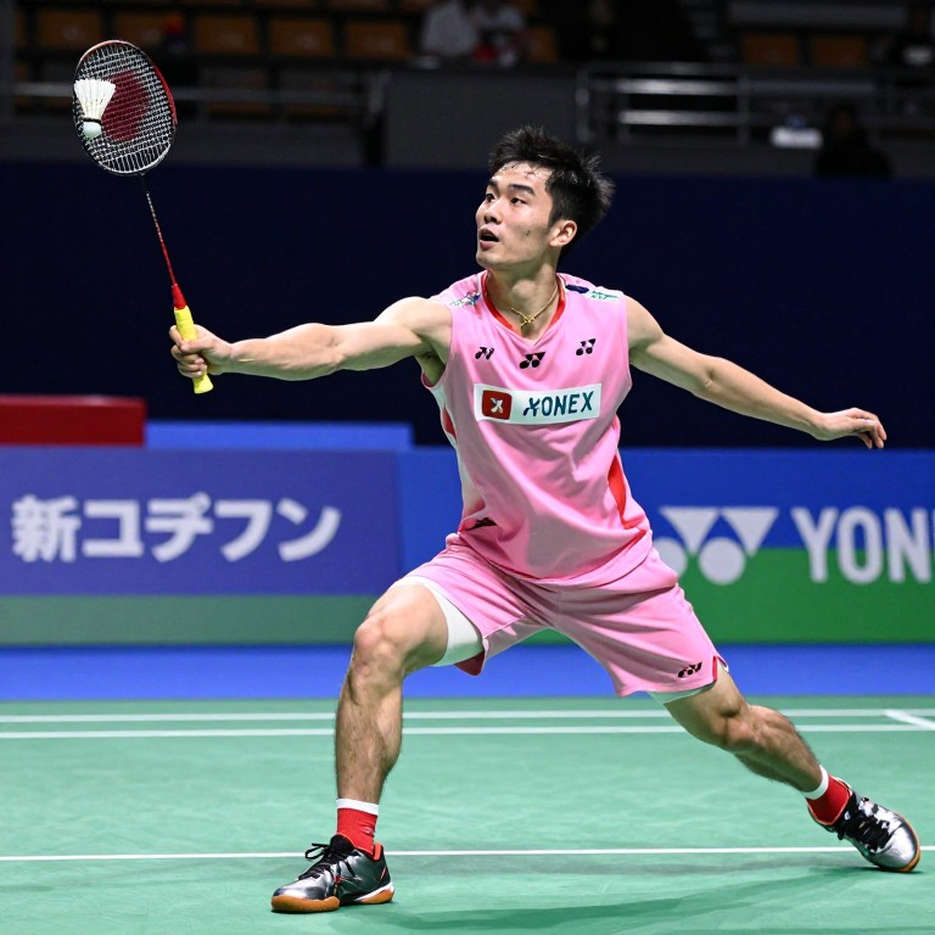
Loh Kean Yew and Kunlavut Vitidsarn are presented as the finalists in the men's singles event at the Asian Games, with each facing an opportunity to claim a title described as historic for his country. However, the supplied analysis does not state the match date, edition of the Games, route to the final, or result. Those details cannot be independently confirmed from the material provided, so this article does not predict a winner.
The clearest factual detail in the analysis is that Loh Kean Yew is listed as world number 13. This is a ranking reference, not a match-specific performance measure. The material gives no ranking for Kunlavut Vitidsarn, head-to-head record, recent form, or results from earlier rounds. Loh Kean Yew's ranking alone is therefore insufficient to establish which player has an advantage.
The analysis frames the match as a preview focused on the significance of the title rather than on tactics. It does not describe serving, returning, attacking patterns, back-court defense, net play, or in-match adjustments. These details would help readers assess the technical contest, but they are absent from the source material.
The listed venue is Ichinomiya City Municipal Gymnasium. The analysis provides the venue name but no information about court conditions, lighting, temperature, air movement, or court setup. It is therefore not possible to claim that playing conditions will affect either player's shot selection or tactics. The fact that the venue is an indoor hall does not replace specific evidence about match conditions.
The historical significance is tied to each player's stated goal of securing a first national title. The material does not identify the precise title, the statistical scope, or the criterion behind the word “first.” It does not clarify whether this refers to a country's first men's singles title at the Games, a first title at another level, or a different milestone. The article can record this as a goal described in the analysis, but cannot expand it into a verified historical claim.
Loh Kean Yew and Kunlavut Vitidsarn are presented as contenders facing a notable opportunity. However, the source includes no comments from either player, their coaches, or their national federations. There is no basis for describing their mental state, confidence, pressure, fitness, or preparation. Presenting any such claims as fact would go beyond the available information.
In a final, limiting errors is often worth watching. The analysis suggests that the historical significance of the opportunity could encourage both players to protect points and avoid mistakes. It also explicitly labels this as low-confidence speculation. No data on unforced errors, long rallies, serve effectiveness, or point conversion is provided to support the idea. It remains a possibility to monitor, not a conclusion about how either player will compete.
There is likewise no data to compare Loh Kean Yew's attacking ability with Kunlavut Vitidsarn's defense, or the reverse. The analysis gives no playing-style descriptions, signature shots, movement patterns, or preferences in choosing shot placement. It also says nothing about how either player responds when behind or when an opponent changes pace. This article therefore does not assign a particular style to either player.
The lack of technical statistics limits match assessment, but it does not change the central point of the preview: the contest is described as a meeting between two leading players, linked to an opportunity for a milestone for their countries. A fuller preview would need the draw, earlier match results, head-to-head record, current rankings, and pre-match comments. Without those details, deeper comparisons would lack a reliable foundation.
Loh Kean Yew's world number 13 ranking needs context. A ranking reflects a position in a ranking system at a particular point in time, but the source gives no update date. The figure does not establish his form during the tournament, physical condition, or results at the Games. Nor can one player's ranking alone determine the likely outcome of a single match. The analysis provides no corresponding ranking for Kunlavut Vitidsarn.
The venue name helps identify where the match is said to take place, but it is not enough to assess a home-court or venue advantage. There is no information about attendance, support for either player, the day's schedule, or rest between matches. The source also does not say how many matches the finalists played before reaching the final. These factors may matter to preparation and fitness, but each requires separate confirmation.
The term Asian Games appears in the description, but the edition is not specified. Without a year, it is difficult to verify the schedule, entry list, and tournament record. The analysis also does not identify the original publisher or provide a link to the source item. This article does not add dates, statistics, or results from outside the supplied material to fill those gaps.
For badminton followers, important pre-match questions include which opponents each player beat, how they performed in earlier rounds, and what their head-to-head record shows. The analysis answers none of these questions. It provides no game scores, match duration, net-point statistics, or defensive figures. As a result, it is not possible to determine which player entered the final in better form.
A reliable preview distinguishes facts, assessments, and hypotheses. The available facts are the players' names, the men's singles event, the listed venue, and Loh Kean Yew's world number 13 ranking. The assessment is that both players are pursuing a title described as historically significant for their countries. The only suggestion about how the match might unfold is that control of errors could matter under pressure; that suggestion is not supported by match data.
Care is also needed with the phrase “first title.” Verifying such a milestone requires identifying the exact title and checking the relevant national record. The analysis does not name the countries in the sentence describing the goal, even though the players' nationalities may be available in public profiles. This article does not turn the phrase into a specific record without evidence.
From a technical perspective, the information available does not support a prediction about the shape of the match. There is no basis to say that it will feature fast exchanges, long rallies, or a battle at the net. It is also not possible to assess which player may have an advantage at the end of a game. Statistics such as consecutive points, saved game points, and conversion rates could help, but none is included.
The article cannot assess either player's injury status or readiness. There are no medical reports, training updates, or comments from the coaching teams. It would therefore be inappropriate to suggest that either player is injured, recovering, or at risk of fatigue. Such conclusions require direct, dated confirmation.
There is also no schedule information to establish how much rest Loh Kean Yew and Kunlavut Vitidsarn had. One player may have played a long semifinal, but that is only a general possibility in sport, not information about this match. It cannot be used to explain a result in advance. The source does not say how many matches either player contested at the tournament.
The original analysis describes the material as a narrative preview rather than a specialist technical report. That assessment fits the absence of tactical terminology and match statistics. A lack of data does not mean the final lacks technical substance; it means the supplied material does not cover those elements. A later update with statistics could add that perspective without relying on speculation.
The most defensible focus for now is the opportunity itself. According to the description, Loh Kean Yew and Kunlavut Vitidsarn are both pursuing a milestone characterized as a historic national title. The final is therefore presented not only as an individual championship contest, but also as an event linked to national expectations. No direct comments are provided to show how either player views that goal.
The historical framing does not establish that pressure will affect both players in the same way. Some athletes may treat a major goal as motivation, while others may feel its weight, and an individual's response can vary during a match. The source provides no specific statements or behavior from Loh Kean Yew or Kunlavut Vitidsarn. This article does not assign either player a psychological state.
If more information becomes available, the first details to verify should be the date, edition, semifinal results, head-to-head record, and rankings at the time of play. Venue conditions, player fitness, and official comments should follow. If match statistics are published, serve effectiveness, unforced errors, and point-winning rates in long rallies could support a more precise assessment. These are missing details, not established facts.
Based on the available material, the appropriate conclusion is that the final is presented as a men's singles contest between Loh Kean Yew and Kunlavut Vitidsarn, with a title described as historically significant at stake. Loh Kean Yew is listed as world number 13, and Ichinomiya City Municipal Gymnasium is given as the venue. Beyond those points, the source is insufficient to establish their relative form, tactics, technical strengths, or the outcome.
Any subsequent report should verify the tournament edition, year, and original publication before presenting the information as confirmed. This article retains the supplied details and identifies the gaps. That approach avoids turning a hypothesis into a fact and lets readers distinguish what has been stated from what remains unverified.
If a result is published by a reliable source, the report can be updated with game-by-game scores, decisive moments, and the precise significance of the title. Any post-match comments should be attributed to the speaker and dated source. Until those details are available, it is not possible to say that Loh Kean Yew or Kunlavut Vitidsarn won, or that the historical milestone was achieved.
What is clear from the supplied analysis is that the story centers on a men's singles final and a title opportunity. What remains unknown is the timing, full tournament context, the players' form, and every technical detail. The report therefore remains a limited preview, without a prediction or assumed result. Once the original data is supplied and verified, the coverage can be expanded into a better-supported match analysis.
Cầu thủ liên quan
Bài đề xuất
An Se-young defends Asian Games gold: 21-17, 21-9 and a gap that never closed2026-09-29
Ashmita Chaliha Calls Out BWF's Super 100 Tournament Conditions2026-09-04
Vietnam's Sepak Takraw ASIAD Gold: A Two-Tier Reward System and the 48-Month Problem2026-09-29
Thuy Linh Halts at Vietnam Open: When a 19-Year-Old's Speed Decides the Final Points2026-09-19
Asian Games badminton: Thuy Linh takes a set from world No.4, Hai Dang falls to Kunlavut2026-10-10
Bài đề xuất
Kumamoto Masters 2026: With Shi Yuqi Absent, Li Shifeng and the Question of China's Men's Singles Depth2026-10-03
Kumamoto Masters 2026: Li Shifeng Leads China's Men's Singles as Shi Yuqi's Withdrawal Leaves an Unanswered Gap2026-10-04
Kunlavut Vitidsarn Beats Loh Kean Yew in the Asian Games 2026 Final: The Victory of the Man Who Owned the Tempo2026-10-01
Vietnamese Badminton 2026: Protected Points, Empty Spaces and a Question Two Decades Old2026-09-16
2026 Asian Games Draw Analysis: India's Bracket Map — Japan Await in Quarter-Finals for Both Men's and Women's Teams2026-09-20